Some font foundries generate as much revenue from enforcement - what they call "retroactive licence sales" - as they do from normal licensing. That's not speculation. According to an industry report in Communication Arts, two foundries admitted under condition of anonymity that enforcement revenue might match their normal licensing income.
Think about what that means. When catching violations becomes as profitable as preventing them, some might draw the conclusion that font licensing complexity stops being a problem to solve – it becomes a feature.
Font licensing is genuinely confusing. Desktop licences don't cover websites, web licences have page view limits, subscriptions expire without warning and different foundries have completely different terms. No standardisation exists across the industry.
This complexity creates a trap as the system has become a minefield that catches even people trying to do things right.
The Genuine Complexity Problem
Font licensing is genuinely complicated. Here's what most people don't realise when they purchase a font:
Desktop licences don't cover websites. You buy a font, install it on your computer, design your website and upload that same font to your site. Seems logical, but it's a licensing violation. Desktop licences cover creating static designs. Web licences cover serving fonts to visitors. They're separate products with separate pricing. Our guide to desktop vs web font licences explains why these restrictions exist.
Page view limits change as you grow. You purchase a web font licence for 10,000 monthly page views. Your site takes off and hits 50,000 views. Your licence no longer covers your usage. For self-hosted fonts, many foundries operate on an honor system - you're expected to monitor and upgrade when needed. Some foundries embed tracking code that monitors usage and may pause service if you don't upgrade. Either way, you're technically violating your licence the moment you exceed your limit.
Subscription rights expire without warning. You use Adobe Fonts on your client websites via your Adobe Creative Cloud subscription. If you later cancel your subscription, those fonts immediately stop working - the sites display fallback fonts instead. Your commercial usage rights ended with your subscription.
Different foundries have wildly different terms. One foundry allows contractors to use fonts temporarily for your projects. Another forbids sharing fonts with anyone outside your organisation. There's no standardisation. You need to read every EULA individually, and most are written in dense legal language.
How Enforcement Actually Works
Font foundries use automated bots to scan websites for their fonts. They monitor web usage systematically. When they find unlicensed usage, they send demand letters requesting retroactive licensing fees.
Copyright trolls have entered the space too. These are organisations that purchase enforcement rights from copyright owners specifically to pursue infringers. They scan for violations, send demand letters and profit from settlements. The requested amounts might be designed to be high enough to generate revenue, but low enough that fighting back costs more.
The result? Even innocent mistakes get treated like deliberate theft. A designer who bought a desktop licence and didn't realise web required separate licensing faces the same demand letter as someone who deliberately pirated fonts.
The Creator's Side: Why Enforcement Exists
Type designers spend years creating fonts. The work is skilled, time-consuming, and artistic. They deserve to be paid.
Font piracy is genuinely rampant. A 2016 survey of creative professionals found that 59% of designers admitted to sharing fonts with colleagues without proper licences, and about one-third locate fonts online without appropriate licensing. Every unlicensed installation represents lost income for creators who poured their expertise into these designs.
Foundries face a real problem: how do you protect digital products that are trivially easy to copy? Font files don't come with DRM like video or music files do. Enforcement becomes necessary because voluntary compliance isn't enough when piracy is this widespread.
Small independent type designers particularly struggle. They don't have legal teams or enforcement budgets. When someone uses their fonts without paying, it directly impacts their ability to make a living from their craft.
The challenge isn't whether creators deserve payment - they absolutely do. The question is whether the current enforcement approach distinguishes between honest mistakes and deliberate theft, or whether complexity has become part of the business model.
Where the System Breaks Down
The font licensing ecosystem has developed several problems that hurt everyone:
No clear renewal systems. Unlike domain names or software subscriptions that send renewal reminders, many font licences just expire. Your web font licence runs out, but nobody tells you. Your site keeps serving the font. You're violating the licence without knowing it. Then enforcement comes looking for retroactive fees.
Licences buried in fine print. Font EULAs are lengthy legal documents. Most people never read them completely. Critical restrictions get missed. Someone buys a font thinking it covers their needs, then discovers six months later it didn't cover the specific use case they needed.
Terms change mid-stream. Foundries update licensing terms. Sometimes retroactively. A use case that was allowed under your original licence gets restricted in the new terms. You find out when you receive a demand letter, not when the terms changed.
The agency-client ambiguity. Who's responsible for licensing when an agency builds a client website? The agency uses their fonts in the design. The client's website ultimately displays those fonts. Many font EULAs forbid sharing fonts with contractors or clients. This creates genuine confusion about who should purchase what licence. Our guide to agency font licensing liability explores this grey area.
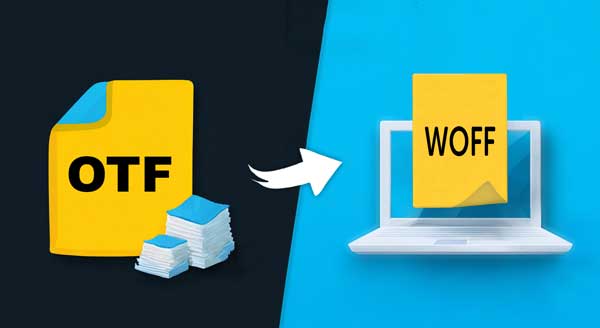
Violation technicalities. A developer has a legitimately licensed font. Instead of using the official embed code, they convert it to WOFF and self-host it for faster page loads. The violation is technical - they paid for the font and used it on their site - but the enforcement response treats it identically to someone deliberately pirating fonts across dozens of websites.
Why Aggressive Enforcement Backfires
The music industry learned this lesson the hard way. In the early 2000s, the Recording Industry Association of America sued individual file sharers for massive amounts - famously demanding $675,000 from a single mother for downloading 24 songs. The legal strategy was technically sound but strategically disastrous.
Rather than reducing piracy, aggressive enforcement generated enormous public backlash. People who might have paid for music decided the industry didn't deserve their money. The reputation damage lasted years. Eventually, the industry pivoted to making legal access easier through streaming services - and revenue recovered.
This same pattern plays out with fonts. A designer buys a desktop licence, genuinely believes it covers web use because they're not technical, and gets hit with a cease and desist for $20,000. That's a technical violation, sure - but is it morally equivalent to someone who knowingly pirates 50 fonts?
When enforcement doesn't distinguish between honest mistakes and intentional piracy, it creates resentment and drives people toward piracy rather than away from it. The designer who gets slammed with aggressive demands after trying to do the right thing tells other designers about their experience. Those designers conclude that font licensing is a minefield where even good-faith efforts get punished, so why bother trying?
It damages the industry's reputation. When enforcement feels disproportionate, people stop seeing foundries as protecting their work and start seeing them as predatory. This perception - fair or not - makes future licensing harder because trust has eroded.
It can make font licensing look like a business model. When enforcement generates as much revenue as normal licensing, it creates the appearance that complexity is intentional. Whether true or not, the perception damages the entire industry's reputation.
What Needs to Change
The font licensing ecosystem needs reform that benefits both creators and users:
Industry standardisation. Just like Creative Commons created clear, standardised licensing for content, fonts need equivalent clarity. Common licence types with consistent meanings across foundries. Desktop licence means X. Web licence means Y. App licence means Z. Everywhere.
Prominent, clear terms. Critical restrictions should be in plain language, displayed prominently during purchase. Not buried in paragraph 47 of a legal document. If web use requires separate licensing, make it unmissable.
Renewal reminders and grace periods. When licences are time-limited or have page view tiers, send warnings before they expire or exceed limits. Give users a reasonable grace period to upgrade or renew. Make compliance easy.
Proportional enforcement. First-time honest mistakes should get warning letters, not immediate legal demands. One font on one website deserves a different response than systematic piracy across multiple projects. Save the aggressive enforcement for repeat offenders and clear bad actors who ignore multiple notices.
Better education. Foundries should invest in clear licensing guides. Explain different licence types. Show common scenarios. Help users understand what they need before they purchase. Make compliance the path of least resistance.
Protect Yourself Without Paranoia
Despite these problems, you can navigate font licensing successfully:
Audit what you have. Scan your website with FontReport to see exactly which fonts you're using. You can't fix licensing issues you don't know about.
Document everything. Keep copies of purchase receipts, licence files, and EULAs. Store them somewhere you can find them later. When questions arise, you need proof of what you purchased and when.
Read licences before purchasing. Yes, it's boring. Yes, they're long. But five minutes reading the EULA can save you five figures in retroactive licensing fees. Look specifically for restrictions on your intended use case.
Set reminders for renewals. If you purchase time-limited licences or subscriptions, calendar the renewal dates. Don't rely on the foundry to remind you.
Choose foundries with clear terms. Some foundries have generous, straightforward licensing. Others have restrictive, complex terms. When possible, favour the former. Vote with your wallet for better practices.
Consider open source alternatives. Google Fonts and other open source options eliminate licensing complexity entirely. They're not always perfect matches for your needs, but they're always legal. Our guide to free fonts for commercial use covers legitimate alternatives.
Include licensing in your process. If you hire designers, explicitly discuss font licensing before projects start. Who purchases licences? Who maintains them? Get clarity upfront rather than discovering problems later.
The Bottom Line
Font licensing has become genuinely complicated. It's a maze even for people trying to do things right.
Type designers deserve payment for their work. Enforcement exists because piracy is real and widespread. But when catching technical violations becomes as profitable as normal licensing, something has gone wrong with the system.
The current approach punishes honest mistakes as harshly as deliberate theft. It creates fear rather than understanding. It makes small businesses who tried to comply feel victimised rather than educated.
We need a system that protects creators while making compliance achievable for normal businesses. Clear terms. Standard practices. Proportional enforcement. Better education. These changes would benefit everyone - creators get paid more reliably, users know what's expected, and enforcement focuses on actual bad actors rather than technical violations.
Until that happens, your best protection is knowledge. Understand what licences cover. Document what you purchase. Audit what you're using. And when in doubt, ask questions before problems arise.
Not sure which fonts are on your website or whether they're properly licensed? Scan your site with FontReport to get a complete breakdown of every font in use. Find potential issues before they find you.