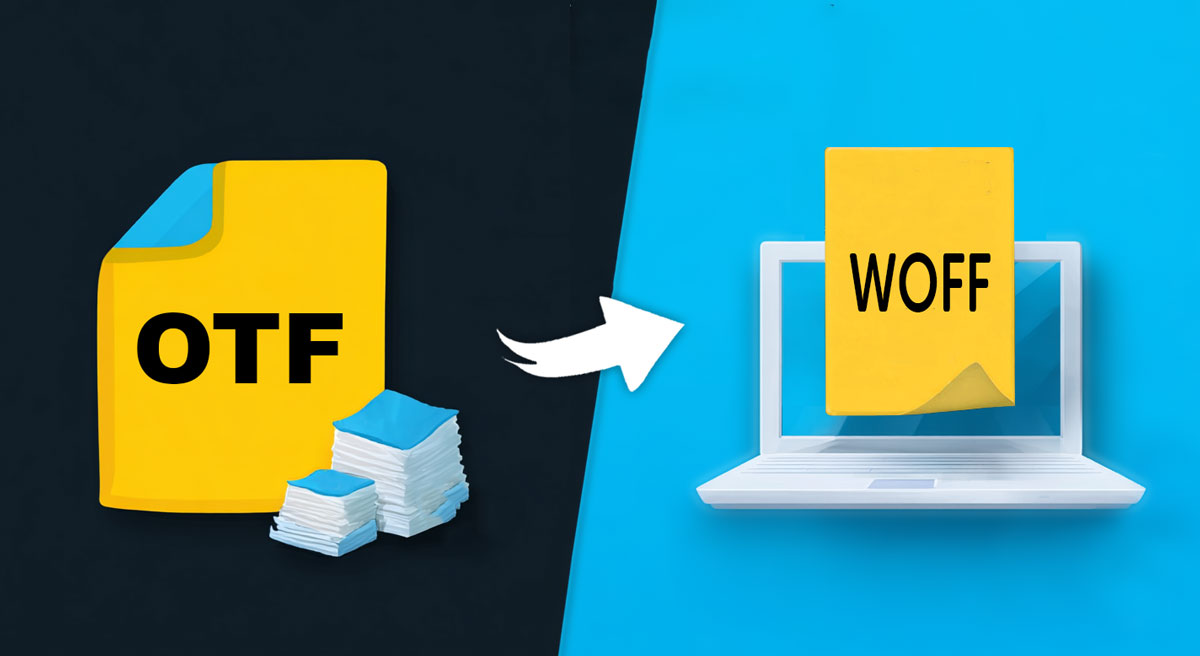
You bought a desktop font license. You used Font Squirrel's webfont generator to convert it from OTF to WOFF2. You uploaded it to your website.
The technical conversion worked perfectly. The legal situation? That's where things get complicated.
Converting Formats Doesn't Change Your License
Your desktop font license specifies how you can use that typeface design - not just what you can do with a particular file format. Converting OTF to WOFF2 changes the container, but the licensing restrictions remain the same.
According to Microsoft's font redistribution guidelines, converting fonts to other formats does not change the rules around embedding or redistribution. Most commercial font licenses explicitly prohibit format conversion without permission.
Desktop licenses cover creating static assets on your computer - designs in Photoshop, print materials, PDFs with embedded fonts. Websites are different. Every visitor's browser downloads the font file from your server, which counts as distribution to potentially thousands of people. Our guide to desktop vs web font licenses explains these restrictions in detail.
What Font Foundries Actually Say
Most End User License Agreements specifically address conversion:
LucasFonts states in their EULA: "You are not allowed to use conversion tools on the fonts; you can only use WOFF and WOFF2 files that were provided to you by us."
Microsoft's guidelines are equally direct: "Converting Windows fonts to other formats does not change the rules around embedding or redistribution, and format conversion itself is not allowed."
In the lawsuit against NBC Universal, one allegation was that they used conversion utilities to convert desktop fonts to web formats. The conversion didn't protect them from liability.
When You Can Convert Fonts
There are legitimate scenarios for font conversion:
Open source fonts: Fonts under SIL Open Font License or Apache License typically allow format conversion. You can download these from Google Fonts, convert them, and use them on your website. See our guide to free fonts for commercial use for more options.
With explicit permission: Some foundries allow conversion if you purchase both desktop and web licenses. Check your specific EULA.
Fonts you own completely: If you created the font or hired someone to create a custom font where you own all rights, convert away.
Better Solutions Than Converting
Purchase a Web Font License
Contact the foundry and buy a web font license. They typically cost $40-100 per year for up to 10,000 monthly page views. You'll get optimized WOFF and WOFF2 files that often perform better than converted fonts because they're professionally prepared for web delivery.
Use Open Source Alternatives
Google Fonts offers over 1,500 font families completely free for web use. You can self-host them (important for GDPR compliance if you serve EU visitors - read more about Google Fonts and GDPR) or load them from Google's CDN.
Choose Different Fonts for Web
Your desktop designs can use one font while your website uses a more affordable alternative. There's no requirement to use identical fonts across all media.
Detection and Consequences
Font foundries use automated web crawlers that scan websites and identify fonts being served. The font's internal metadata often reveals exactly which font it is, even after conversion.
If caught using converted desktop fonts, expect a cease and desist letter, retroactive licensing fees based on usage duration, and potential statutory damages if they pursue legal action. See real companies that paid for font licensing mistakes.
The cost of fixing this problem after discovery always exceeds buying the right license upfront.
The Bottom Line
Converting a desktop font to WOFF format is technically straightforward but legally prohibited by most commercial font licenses. If you need a font on your website, purchase a web font license, use open source alternatives, or choose different fonts that fit your budget.
Not sure which fonts are on your website or whether they're properly licensed? Scan your site with FontReport to identify potential licensing issues before they become legal problems.